Product Description
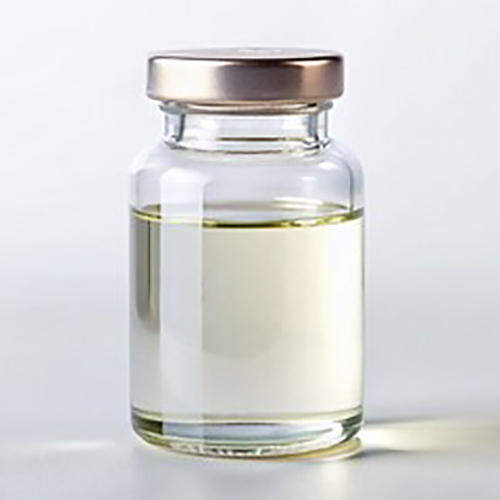
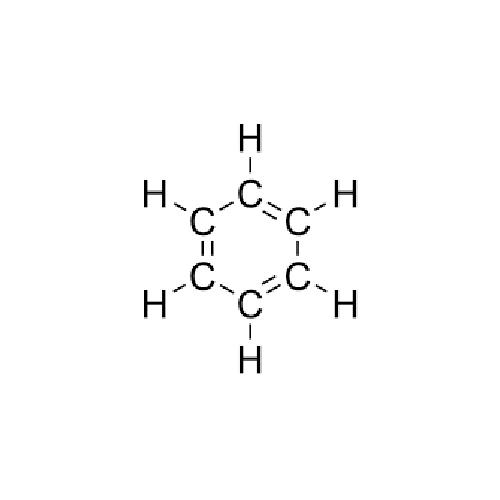
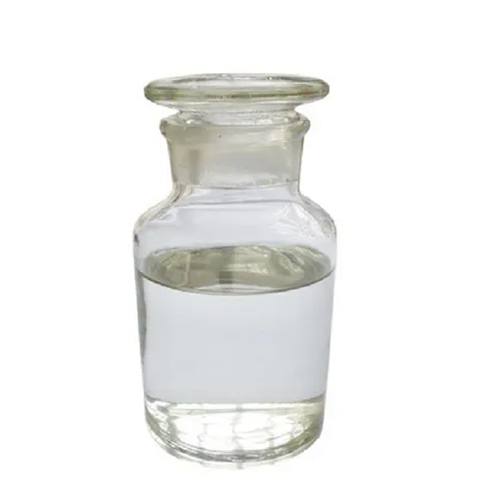
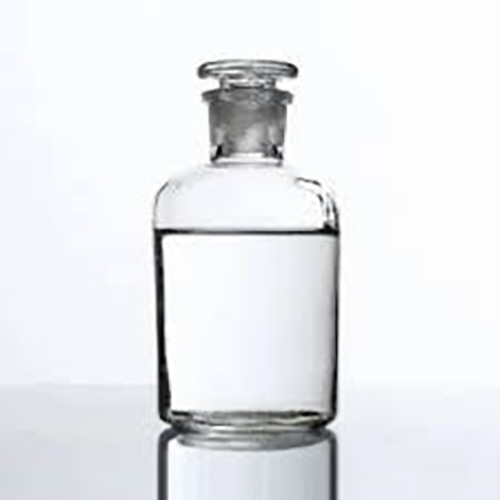
A glycol ether solvent used for its compatibility with water and organic solvents, often in paints and cleaners.
Applications:
- Paints and coatings
- Cleaning agents
- Ink manufacturing
- Textile processing
- Adhesives
Versatile Applications in IndustryButyl Cellosolve is an essential solvent for a broad range of industries including paints, coatings, cleaners, and ink manufacturing. Its exceptional compatibility with resins and polymers ensures reliable performance when blending or mixing into formulations. Owing to its excellent solvency, it efficiently aids in film formation and cleaning action, making it highly valued in many production processes.
Safe Storage and HandlingFor maximizing shelf life and maintaining stability, Butyl Cellosolve should be stored in a cool, dry, well-ventilated area away from heat and open flames. With a best-before date of 2 years from manufacture, appropriate storage provides a consistent, high-quality liquid. Packaging solutions such as 200 L drums and 20 L cans ensure safety and convenience for industrial use.
Environmental and Health ConsiderationsButyl Cellosolve exhibits low aquatic toxicity, reducing concerns of environmental impact. However, as it is classified as a UN 2810 toxic liquid, proper handling guidelines-including protective equipment and adherence to safety data recommendations-are essential. The solvent is stable during its intended use and does not pose significant ecological risk when managed responsibly.
FAQ's of Butyl Cellosolve (Ethylene Glycol Monobutyl Ether):
Q: How should Butyl Cellosolve be stored to ensure maximum shelf life?
A: Butyl Cellosolve should be stored in a cool, dry, well-ventilated location away from heat and sources of ignition. It is best kept in tightly sealed containers, such as 200 L drums or 20 L cans, to maintain its quality and ensure a shelf life of up to two years from the date of manufacture.
Q: What are the primary uses of Butyl Cellosolve in industrial applications?
A: This chemical is primarily used as a solvent in paints, coatings, cleaners, and inks. Its ability to mix easily with water and organic solvents enhances formulation efficiency and cleaning effectiveness in a variety of industrial and laboratory processes.
Q: How is Butyl Cellosolve typically incorporated into formulations?
A: Butyl Cellosolve is generally used by mixing or blending it directly into formulations involving resins or polymers. Its versatility and strong solvency make it compatible with a range of ingredients, facilitating smooth integration in manufacturing processes.
Q: What benefits does Butyl Cellosolve offer compared to other solvents?
A: Butyl Cellosolve provides strong solvency, low evaporation rate, and high compatibility with both water and organic compounds. Its low toxicity to aquatic life and stable characteristics under recommended storage conditions further contribute to its utility and safety in various applications.
Q: When is Butyl Cellosolve recommended for use in production?
A: It is recommended for use in processes requiring efficient solvency, such as cleaning, coating, or ink production. Its neutral pH and high purity make it suitable for sensitive or specialized industrial and laboratory uses.
Q: Where is Butyl Cellosolve most commonly supplied from and packaged?
A: Butyl Cellosolve is widely manufactured, exported, and supplied from India, typically in 200 L drums or 20 L cans to ensure safe handling and transport for industrial end-users.

 Mon-Sat 10.00 AM - 7.00 PM



 Send Inquiry


 Send Inquiry
 Send SMS
 Call Me Free


